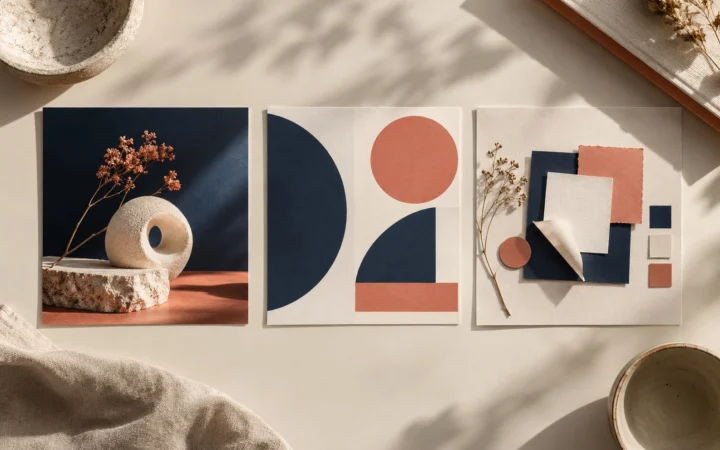
A search for a creative or communications agency in Tangier brings together very different businesses: branding studios, campaign teams, content producers, event agencies and web specialists. Start by defining what needs to change in your business. Then look for evidence that a potential partner can help with that change.
A polished portfolio gives you a sense of taste. The decision also depends on how the team defines the work, makes decisions and hands the result over to the people who will use it.
Describe the problem before choosing a service
“We need better communication” is a starting point. Make it more specific: your offer is difficult to explain, your materials feel disconnected, a launch is approaching, or your identity no longer reflects the quality of your service.
Consider a company with a strong product but a sales presentation, catalogue and website that tell different stories. Clarifying its brand and materials may be the first task. An advertising campaign alone will not resolve that mismatch.
Look for work that makes the thinking visible
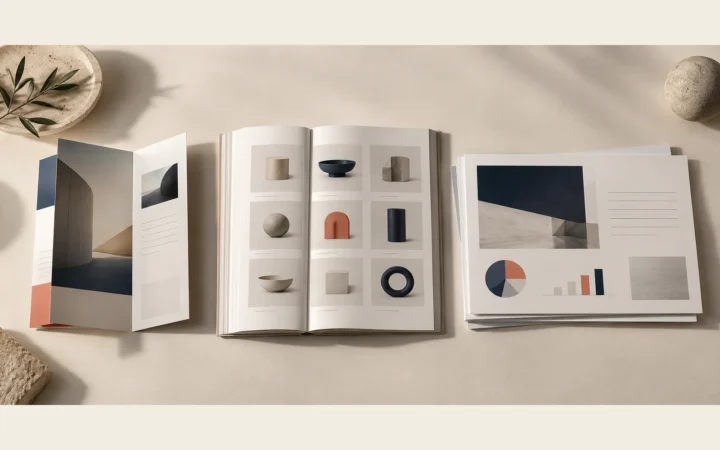
A useful case study explains the context, the team’s role and what was produced. Look at how an idea travels from a logo to a brochure, a screen or a package. Does the identity remain clear when space is limited or the amount of information grows?
A studio does not necessarily need experience in your exact sector. It should, however, explain how it would address your constraints. In a technical catalogue, information hierarchy matters as much as the cover. For a bilingual brand, ask to see compositions in both scripts.
Know who will make decisions with you
Ask who will lead the initial discussions, direct the creative work and stay involved through approvals. Being nearby can help with a workshop in Tangier, a visit or the preparation of physical materials. Location still needs to be supported by a clear way of working.
A remote collaboration can work well when stages, communication and responsibilities are explicit. What matters is knowing how a question will be resolved and when a decision becomes final.
Compare the same scope
Two proposals labelled “visual identity” may cover very different work. Before comparing the investment, set these items alongside each other:
- The discovery work and information you need to provide.
- The elements being designed: logo, type, colour, imagery, rules and applications.
- The languages, formats and materials actually included.
- The approval stages and agreed rounds of refinement.
- The files you receive, what your team can edit and the support available at rollout.
A longer list is not automatically better. A useful scope addresses the priority applications and gives you a clear path for what comes later. This comparison also helps you plan a visual identity investment.
Bring five questions to the first conversation
Which problem would you address first? What do you need from us? Where will we test the creative direction? What will our team be able to change after handover? What sits outside the scope?
Specific answers tell you more about a working relationship than a broad promise of creativity. You should leave the conversation able to explain what will happen and how you will participate.
Match the partner to your next step
At Brandegree in Tangier, we connect strategy, identity, motion and digital to make brands coherent in use. This is particularly relevant when a business needs a clearer expression, a more usable set of materials or an identity prepared for its next chapter.
If your main requirement is media buying or event production, look for a team whose core expertise matches that requirement. For an identity or communication design project, collect your current materials and identify the three most important applications. You already have the beginning of a useful creative brief.